 |
|||||||||||
|
|
||||||||||
|
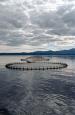
Report: Aquaculture more efficient, less damagingSeafood News report provides insight into the environmental impact of aquaculture.http://www.SeafoodSource.com Tue, 14th Jun 2011 By Steven Hedlund  Compared to other forms of animal protein production such as livestock, aquaculture is more efficient and less environmentally damaging, according to a new report from the WorldFish Center and Conservation International. However, the report, which assessed 75 species-production systems over nearly two years, found that the environmental impact of aquaculture varies 'dramatically' by country, region, production system and species. It concluded that demand for farmed seafood will continue to grow over the next two decades as a key source of animal protein for growing urban populations, and that the industry needs to meet this demand with improved efficiencies and reduced environmental impacts. Titled 'Blue Frontiers: Managing the environmental costs of aquaculture,' the report is billed as “the most comprehensive analysis of global aquaculture ever undertaken.” It was released on Tuesday at the ASEAN’s (the Association of Southeast Asian Nations) Southeast Asian Fisheries Development Center Conference in Bangkok. 'As the report points out, there must be a wider exchange of knowledge and technology, with policies and action to promote sustainability and investment in research to fill the knowledge gaps. These efforts can lead to a more ecologically sustainable industry — an important goal, if we are to meet the world’s future needs and demands for fish,' said Dr. Stephen Hall, the report’s lead author and director general of the WorldFish Center, a Malaysia-based non-profit. Among the report’s key findings are:
This article was posted on Tue, 14th Jun 2011 More News Articles
|
||||||||||
|
 |
||||||||||
|
HOME | ABOUT | PRODUCTS | ECO-CONSCIOUS | TESTIMONIALS | RECIPES | FAQ | NEWS | WHERE TO BUY | CONTACT
|